



From Files to Intelligence,
at Enterprise Scale.
Scopix processes documents, images, and visual media at scale, extracting structured data, building searchable knowledge bases, and powering professional AI workflows via API, SDK, or no-code.
Search That UnderstandsSearch That Understands Your Visual Media
9+ independent search dimensions per file: visual, semantic, structural, chromatic, and more. Multimodal understanding that RAG-over-text can't reach.


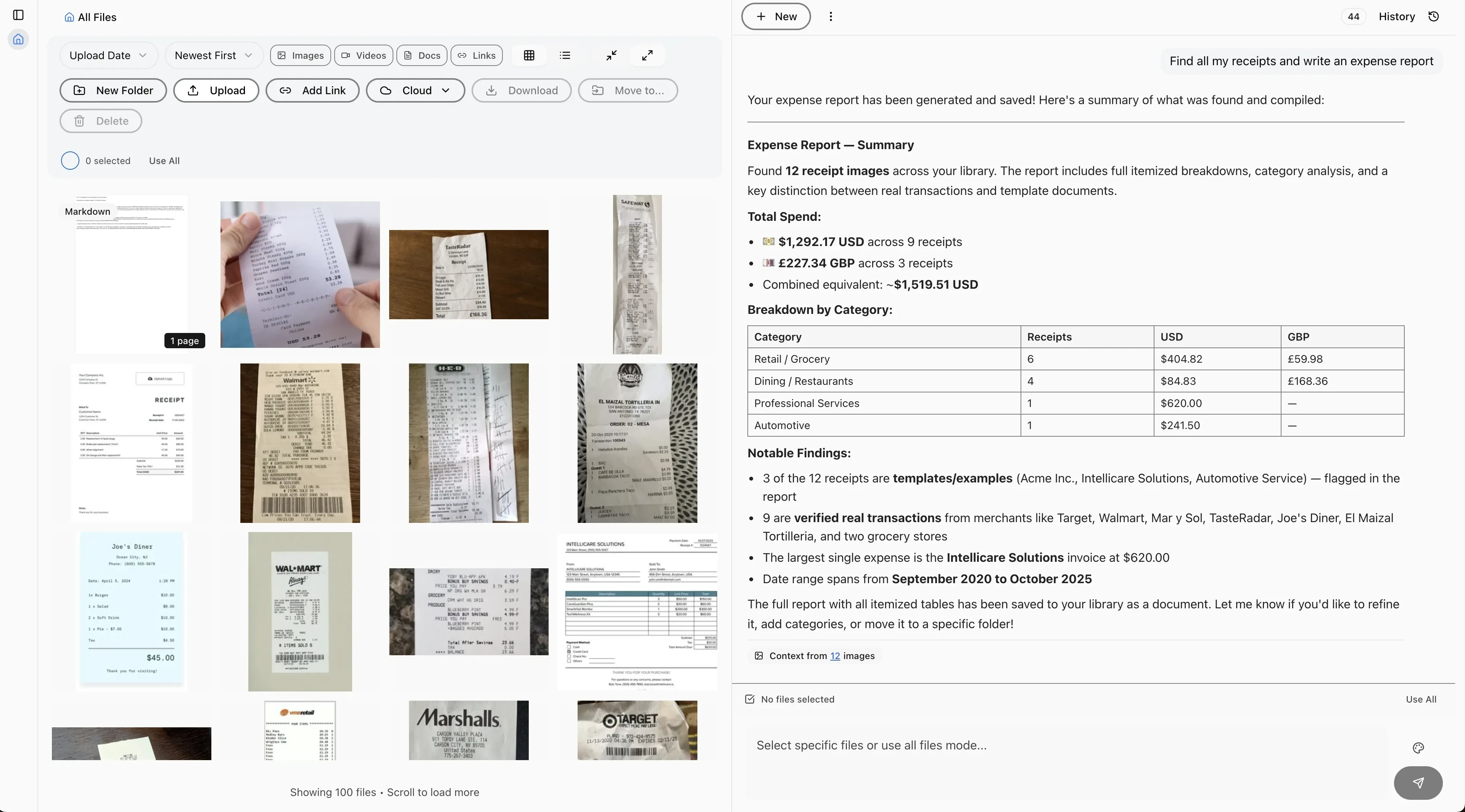
Full Document & Web Understanding
PNGs, JPEGs, PDFs, DOCX, TXT, Markdown, website links and more: OCR, structure-aware parsing, agentic search, generative embeddings, and page-accurate citations across your entire knowledge base
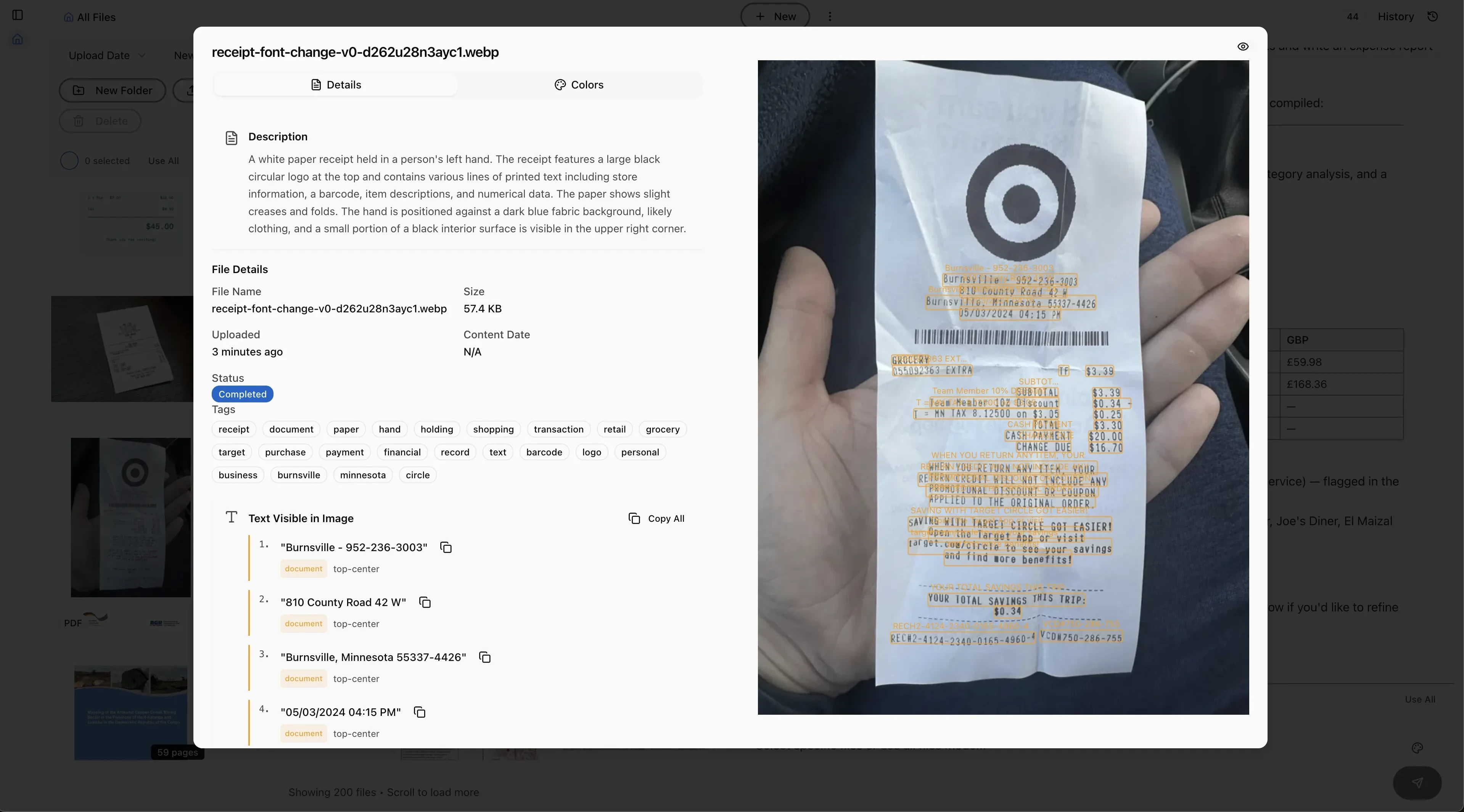
State-of-the-art OCR
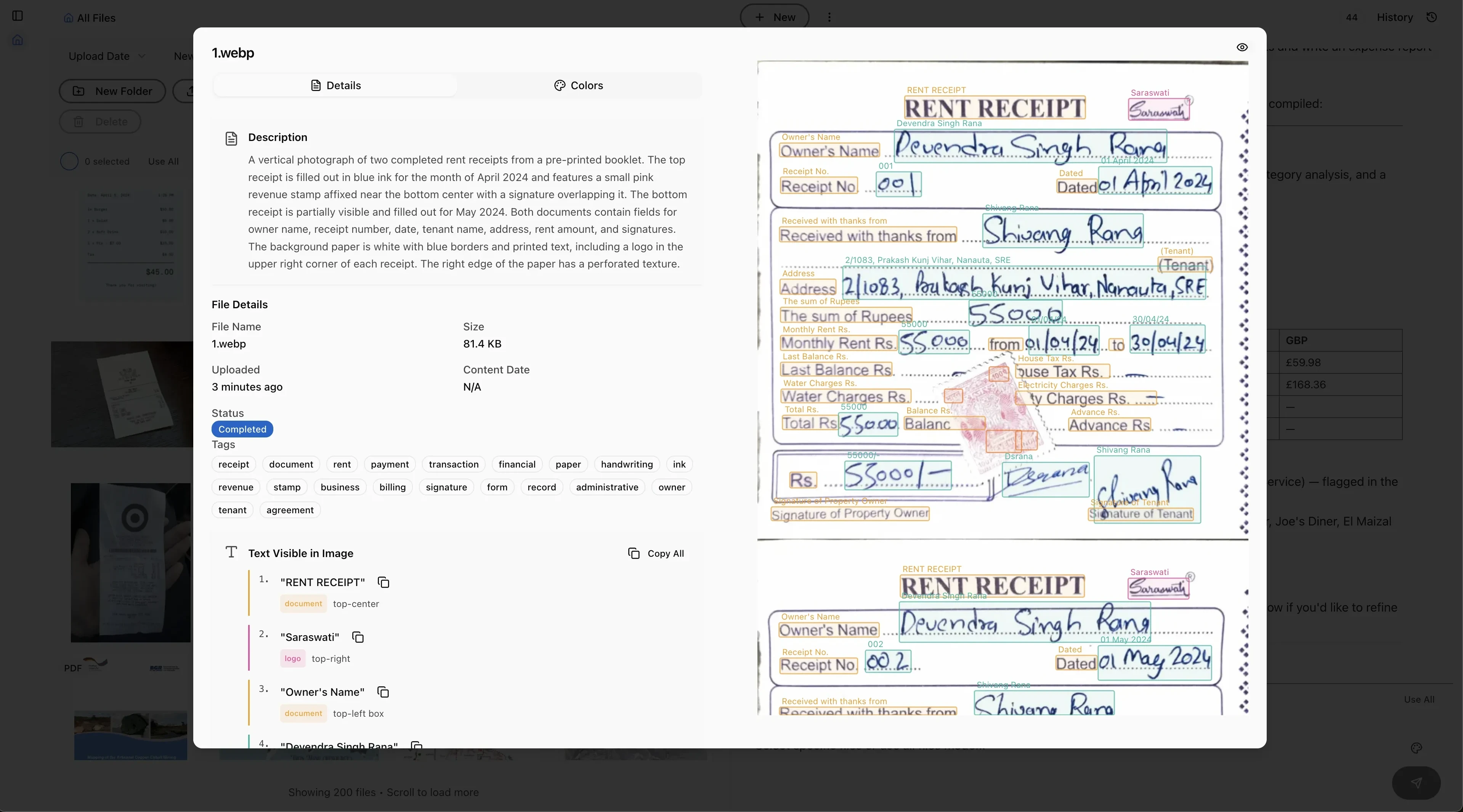
Every line item, every field, extracted and structured automatically
Structure your
unstructured data
Handwriting, print, any language, any format
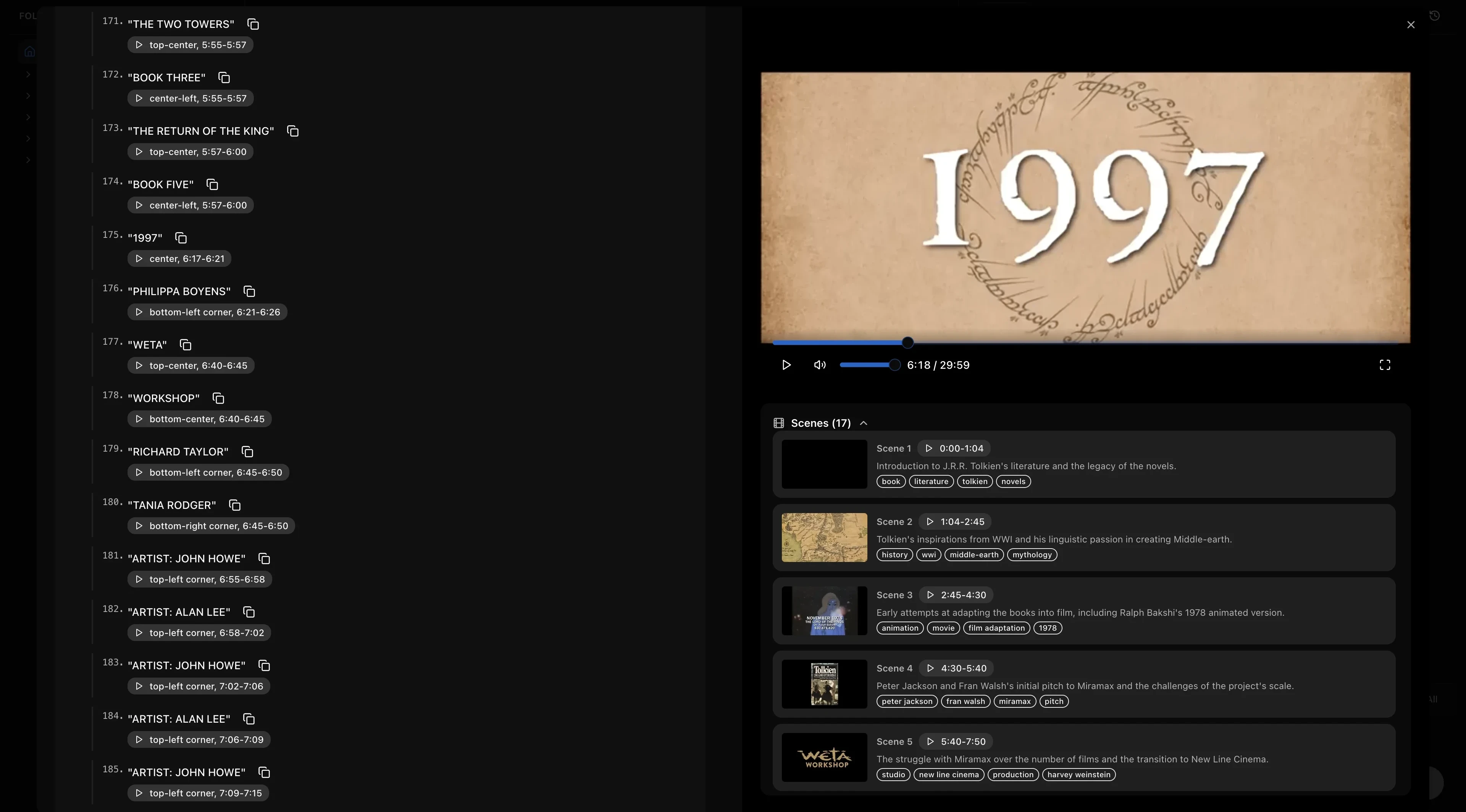
Video Intelligence
Upload, analyze, and search video content with the same AI-powered pipeline that powers image and document understanding, frame-accurate and semantically rich

Choose How You Build
Three ways to integrate Scopix. Same powerful features, different interfaces for different needs.
Agentic Infrastructure
Most agentic frameworks handle language tasks. Scopix provides typed infrastructure for agents that coordinate structured data and file handoffs. Use our built-in agents or the contract system to build your own.
How agents connect
1
Define
Each agent declares what data it needs and what it produces via a typed contract
2
Connect
Chain agents together; one agent's output automatically feeds into the next
3
Execute
Agents run in parallel where possible, passing lightweight references instead of full content
4
Compose
Combine results from multiple agents into a single, unified output
1
Define
Each agent declares what data it needs and what it produces via a typed contract
2
Connect
Chain agents together; one agent's output automatically feeds into the next
3
Execute
Agents run in parallel where possible, passing lightweight references instead of full content
4
Compose
Combine results from multiple agents into a single, unified output